

The Ultimate Guide to PPE Maintenance: Ensuring Maximum Protection
At the Heart of Every Workplace: Protection Comes First
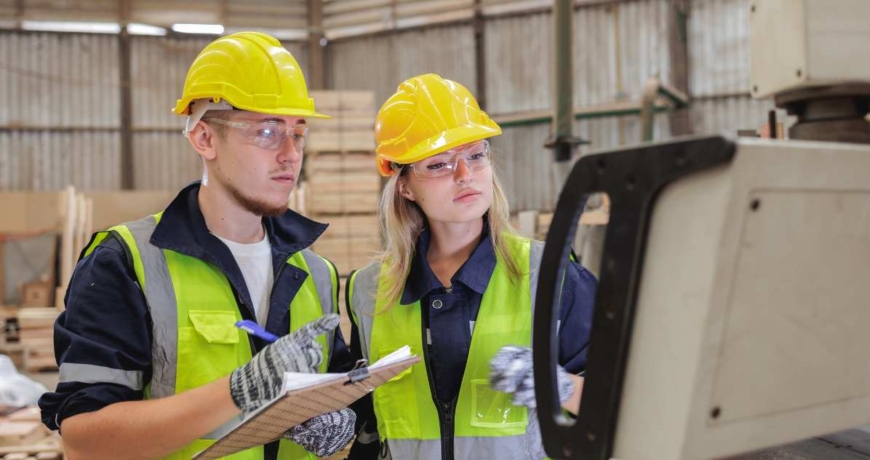
At the core of every work environment whether it’s a noisy workshop, a towering construction site, or a quiet laboratory lies one urgent need: ensuring people’s safety.
Personal Protective Equipment (PPE) is not just gear to wear it’s the first line of defense, the shield that stands between workers and potential hazards.
From helmets that shield the head from impacts, to gloves that protect hands from corrosive chemicals, to boots that prevent slips, falls, and punctures PPE is what ensures workers return home safe at the end of the day.
But have you ever thought that owning this vital equipment is not enough to guarantee full protection? The truth is often overlooked that maintaining PPE is just as important as wearing it.
No matter how strong or high-quality the gear is, it gradually loses its effectiveness with use and neglect…Just like a car needs regular maintenance to stay safe on the road, PPE requires consistent care to deliver the full protection it was designed to provide.
Neglecting maintenance exposes workers to serious risks turning that once-protective shield into a useless item… or worse, something that increases danger.
______________________
Why Should You Maintain Your PPE?
Asking why PPE maintenance matters might sound obvious, but the answer goes far beyond extending equipment life it’s directly about saving lives.
Poorly maintained safety gear becomes weak, unreliable, and ultimately dangerous, turning a safe workplace into a hazardous one.
Direct impact on protection and efficiency:
Imagine a safety helmet with tiny cracks from poor storage. Will it offer the same protection from a falling object as a new one? Absolutely not.
Or gloves that have stiffened or deteriorated from chemical exposure can they still provide a protective barrier? No.
Every piece of PPE is engineered for a specific purpose, and any damage even minor can significantly reduce its effectiveness.
Foggy or scratched goggles impair vision and can cause trips or collisions.
Worn-out soles on safety boots lose their grip, increasing slip risk.
These examples show how regular inspection and cleaning are vital to keeping gear protective and effective.
Risks of poor maintenance include:
- Increased risk of injuries and accidents:
When PPE fails, workers are directly exposed to hazards — from minor cuts to life-threatening injuries or permanent disabilities. - Additional financial costs:
Skipping maintenance may seem like a cost-saving move, but it leads to faster equipment damage and more frequent replacements not to mention medical bills, legal fees, compensation claims, and regulatory fines. - Low worker morale and productivity:
When employees see worn-out or neglected gear, they feel unsafe and undervalued. This lowers their motivation, focus, and output and may drive them to seek safer workplaces. - Legal liability and reputational damage:
Companies that neglect PPE upkeep risk legal action and serious penalties. Repeated accidents also harm the company’s image and make it harder to attract skilled talent or win new contracts.
______________
Key Steps in PPE Maintenance
Maintaining personal protective gear doesn’t require complex procedures just consistent attention and simple, effective habits that make a huge difference in safety levels.
- Pre- and Post-Use Inspection:
Every use should start and end with a careful check.
Before work, employees must inspect for visible damage: cracks, tears, wear, missing parts, malfunctioning straps or fasteners.
Examples:
- Helmets: Check for outer shell cracks or damaged inner padding.
- Gloves: Look for holes, tears, or thinning material.
- Goggles: Make sure lenses are scratch-free and clear.
After use, inspect again for any new damage and report issues for repair or replacement.
This double-check system ensures readiness and immediate response to problems.
- Cleaning According to Equipment Type:
Cleaning is essential but must be done correctly to avoid damaging the material.
- Goggles & Face Shields:
Clean with warm water and mild soap or lens-specific cleaner. Dry with a soft, lint-free cloth. Avoid harsh chemicals or rough fabrics that can scratch lenses. - Helmets:
Wipe the shell with damp cloth and mild soap. Wash removable padding by hand and air dry. Avoid chemicals that weaken the structure. - Gloves:
Cleaning method depends on the material. Leather gloves need gentle wiping; rubber or cloth gloves can be washed with soap and water. Always check the manufacturer’s guide. - Safety Boots:
Brush off dust and mud, wipe the exterior with a damp cloth, and let them dry completely before storage to prevent mold. - Protective Clothing (Coveralls):
Follow label instructions, especially if contaminated with oil or chemicals — these may require special laundering. - Respiratory Protection:
Filters and reusable masks must be cleaned and disinfected regularly according to manufacturer instructions. Replace filters frequently.
- Proper Storage:
Correct storage protects PPE from environmental damage and misuse.
- Store gear in a clean, dry, cool place away from sunlight or harsh chemicals.
- Hang coveralls instead of folding to prevent permanent creases.
- Store helmets and goggles in pouches or boxes to prevent scratches and cracks.
- Keep gloves clean and dry to avoid bacterial growth.
- Never place heavy items on top of PPE this can crush or deform it.
____________________
When Should You Replace PPE?
Even with proper care, PPE won’t last forever. Knowing when to replace gear is critical to maintaining protection.
Signs your PPE should be replaced:
- Cracks or fractures: These weaken the structure and compromise safety.
- Excessive wear: Faded fabrics, brittle rubber, or loose materials show the gear has aged.
- Discoloration or stiffness: Plastics or rubbers that change color or harden indicate material breakdown.
- Deep scratches: On lenses or visors, these reduce visibility and structural integrity.
- Missing or broken parts: A broken strap or missing clip makes gear unsafe.
- Expired shelf life: Respirators and filters often have expiration dates that must be followed.
________________________
Average Lifespan of Common PPE
PPE lifespan varies depending on material, usage, and storage — but here are some general guidelines:
- Helmets: 3–5 years from manufacturing date. Replace immediately after a major impact, even if damage isn’t visible.
- Goggles & Face Shields: Can last several years with care. Replace if scratched or cracked.
- Gloves: Depends on material and usage. Disposable gloves are single-use. Others may last months with proper care.
- Safety Boots: Typically 1–2 years. Heavy use or tough environments may reduce this.
- Respiratory Protection: Full-face masks can last years, but filters need regular replacement — often every 6 months or sooner depending on exposure.
- Fall Protection Harnesses: 5–10 years lifespan. Inspect before each use and replace at the first sign of damage.
- Protective Clothing: Lifespan depends on wash cycles and level of contamination.
____________________
Common Mistakes to Avoid
To keep PPE effective and avoid risks, don’t:
- Ignore manufacturer guidelines
- Use unsuitable cleaning agents or tools
- Share personal equipment
- Try repairing damaged PPE instead of replacing it
- Store gear in poor conditions
____________________
In conclusion: It’s Not Just Equipment, It’s Life-Saving Gear
Maintaining your PPE isn’t just a routine but it’s a real investment in life, safety, and business continuity simply because it protect you, your team, and your entire workplace.
At MAGUS, we believe safety is non-negotiable. That’s why we offer a complete collection of premium PPE, built to last and easy to maintain, because real protection starts with quality…
There are no comments