
“How to Choose the Right Respiratory Protection for Your Industry
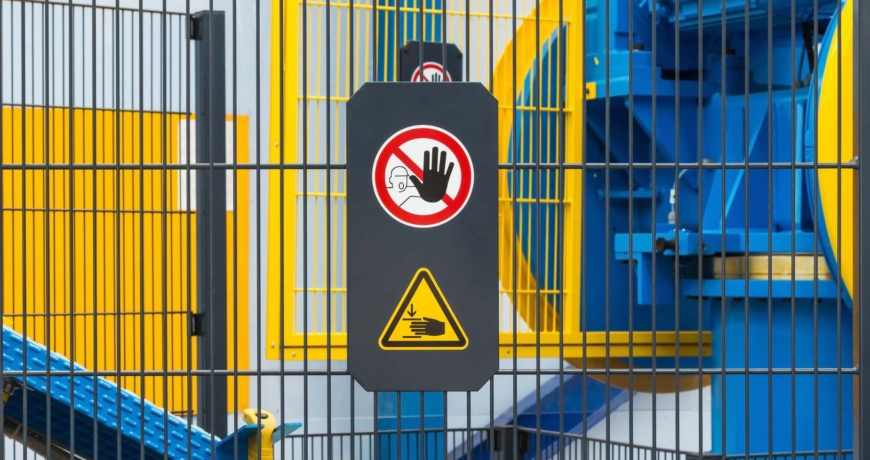
In any workplace, the top priority should always be protecting workers’ health and safety—especially when daily exposure to dust, chemical fumes, and polluted air can lead to serious health problems.
That’s why respiratory protection equipment isn’t optional—it’s essential. It helps safeguard workers’ lives and supports the overall quality of work.
In this article, we’ll take a closer look at the different types of respiratory protection, and how to choose the one that best suits the needs of your specific work environment.
_______________
What is Respiratory Protection Equipment؟
Respiratory protection equipment is designed to shield a person’s lungs by preventing them from inhaling harmful pollutants that may be present in the workplace air.
Respiratory protection equipment falls into two main categories:
- Simple masks or filtered masks (Air Purifying Respirators — APRs)
These work by filtering out harmful particles and impurities from the air. One of the most widely used examples is the N95 mask, which can filter out around 95% of airborne particles.
It’s commonly used in hospitals, low-chemical environments, workshops, and in any workspace where there’s a lot of dust in the air.
__
- Supplied Air Respirators (SARs)
Unlike APRs, these devices don’t filter the surrounding air—instead, they provide clean air from an external source, such as a tank or air supply system. A well-known example is the SCBA gear used by firefighters.
These respirators are essential in environments with low oxygen levels or where highly toxic gases are present, making them one of the most critical safety tools in industrial settings.
___
There’s also a more advanced type of device called PAPR (Powered Air-Purifying Respirator). It uses a small motor to pull in air and filter it before the user breathes it in.
Compared to regular masks, PAPRs offer more comfort and make breathing easier, especially during long work shifts.
_____________________________________
What’s the Difference Between APR and SAR Respirators?
When choosing the right respiratory protection, it’s important to understand the key difference between two main types:
APR (Air-Purifying Respirators):
These are masks or devices that clean the air around you before you breathe it in.
– They come with filters or cartridges that trap harmful particles or gases.
– Not suitable for environments with low oxygen or highly toxic gases.
– Examples: N95 masks, masks with carbon filters.
SAR (Supplied Air Respirators):
These don’t rely on surrounding air at all. Instead, they provide the user with clean air from an external source.
– Best used in hazardous, enclosed, or fully contaminated environments.
– Offer a higher level of protection but require a steady air supply and some training to use properly.
– Examples: SCBA units and compressed air systems in chemical industries.
_______________________________
Why Is Respiratory Protection Important at Work?
In many workplaces—especially those involving dust or chemical exposure—the respiratory system is often the first to be at risk.
A lot of serious lung diseases actually start from repeated exposure to things that might seem harmless at first. But over time, they can cause lasting damage. Using respiratory protection helps reduce the chances of developing chronic conditions like:
– Pulmonary fibrosis
– Occupational asthma
– Poisoning from gases like carbon monoxide or organic vapors
That’s why this type of protection is essential for workers in jobs like:
factory workers, painters, electricians, construction crews, and lab technicians.
Each of these roles comes with its own kind of risk. So, knowing how to choose the right kind of respiratory gear isn’t just about safety—it’s also about reducing injuries and sick days, which ultimately keeps work running smoothly.
___________________________________
How Can You Identify Air Pollutants at Work?
Each type of air contaminant calls for a different kind of protection—so to stay safe, it’s important to understand exactly what’s in your work environment.
Air pollutants generally fall into a few main categories:
– Highly toxic or dangerous substances that can cause emergencies or suffocation, like carbon monoxide, ammonia, or chlorine.
– Volatile chemicals that—if inhaled over time—can lead to headaches, dizziness, or even nervous system damage.
– Fine dust and particles from woodwork, construction, sanding, or sculpting. These can reach deep into the lungs and cause chronic respiratory problems.
– Chemical vapors and fumes from solvents or industrial reactions. Many of these are toxic, irritating to the nervous system, and often invisible or odorless.
A full risk assessment should include things like: how long workers are exposed daily, how dense the air is, whether there’s good ventilation, and how many people are affected.
So, choosing the right respiratory protection starts with knowing exactly what kind of air you’re breathing every day.
_________________________________
Which Type of Respiratory Protection Fits Your Job?
- If your work involves non-toxic dust or airborne particles—like carpentry, workshops, hospitals, or construction sites:
Go for standard masks like N95. They filter out particles but don’t protect against chemical fumes. - If there are organic vapors or light fumes—like in labs, light industry, or repair shops:
You’ll need an APR mask with a proper filter, chosen based on the type of contaminant you’re exposed to. - If your workplace has poor ventilation or you need extra comfort for long hours—like in chemical plants or labs:
PAPR devices are ideal. They use a fan to deliver clean, filtered air and are easier to breathe through. - If you’re working in environments with low oxygen levels or toxic gases—like in heavy industries or chemical storage areas:
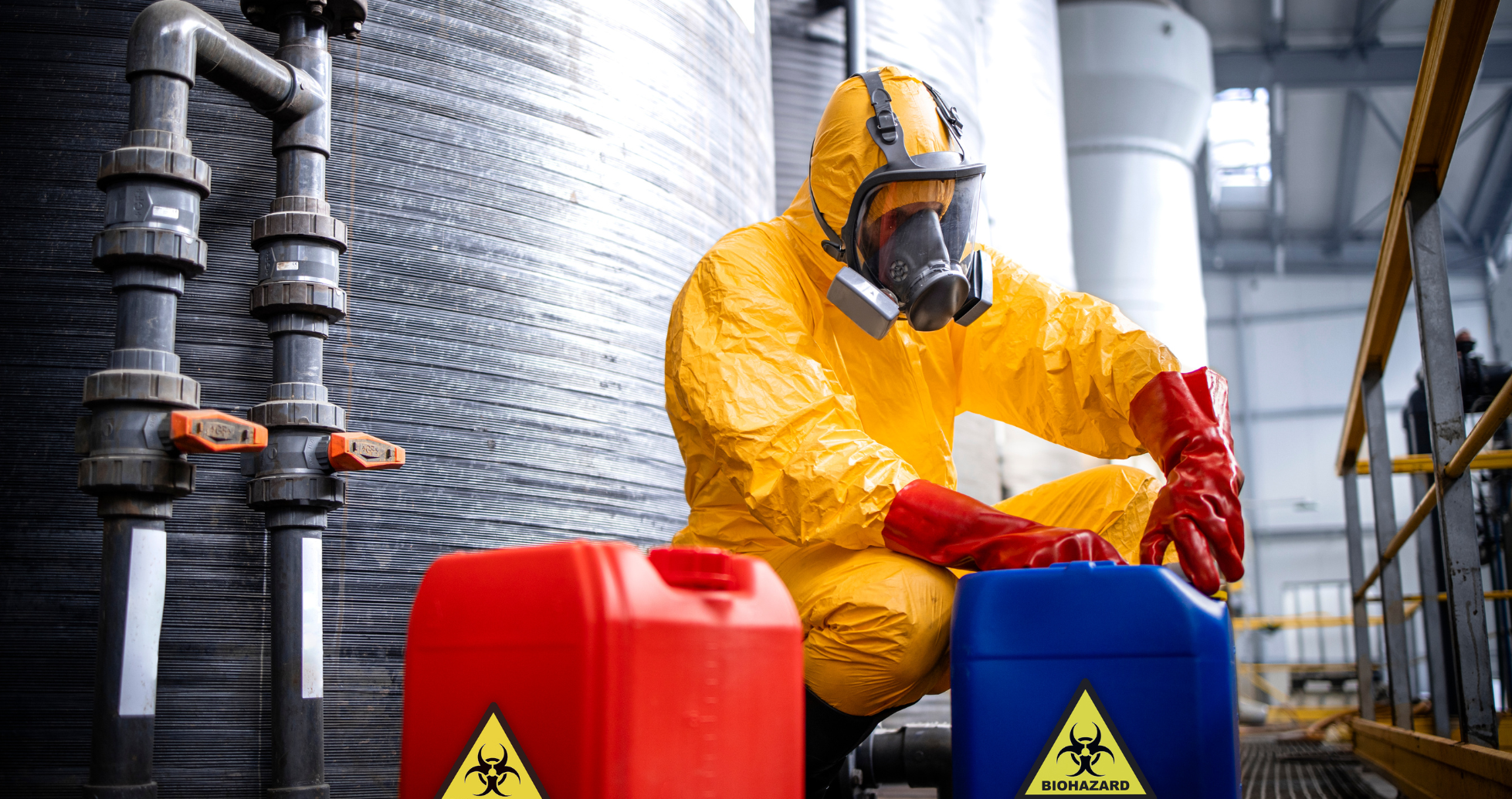
Go for SARs, which supply clean air from an external source and don’t rely on surrounding air. - For emergency situations or highly toxic, oxygen-free environments—like firefighting or chemical spill response:
SCBA units are the safest choice. They offer full protection, but they’re heavy and require proper training.
___________________________________
How to Take Care of Your Respiratory Protection Gear
Whether you’re using a simple N95 mask or advanced gear like a PAPR or SCBA, real protection doesn’t stop at just wearing the equipment—it depends on how well you use and maintain it.
- Wash your hands before touching your mask or device.
- Make sure it fits properly and covers your face securely.
- Never reuse disposable masks. Seriously—just don’t.
- For larger devices like PAPR or SCBA, regular maintenance is key: replace filters, check batteries, and clean hoses often.
- Store your gear somewhere clean and dry.
- If you ever feel like it’s not working right—or breathing starts to feel harder—replace it immediately.
_______________________________________
In Conclusion…
The safety and comfort of workers should never be an afterthought.
Respiratory protection isn’t just a box to check—it’s a real line of defense against workplace hazards, including the invisible ones that silently build up harm over time.
Protecting your lungs isn’t something you leave to chance. A worker’s health isn’t optional—it’s the backbone of any successful industry.
___________________________________
There are no comments