
How to Choose the Best Protective Workwear for Hazardous Workplaces
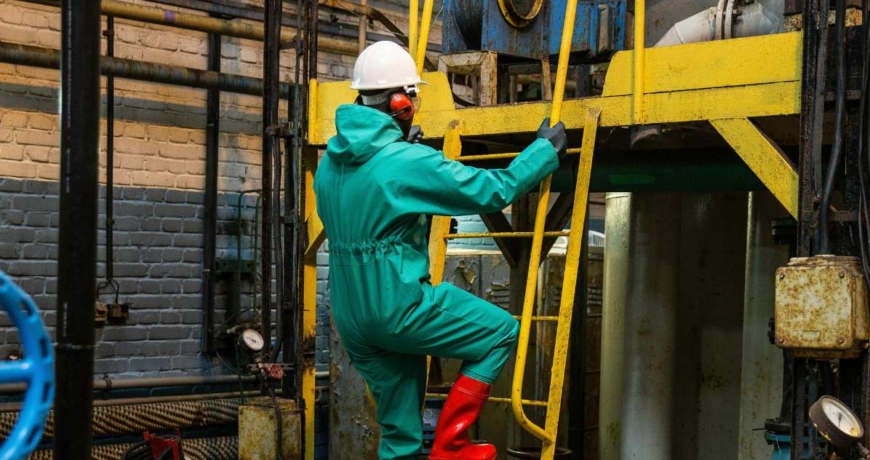
Every day, thousands of workers leave their homes and head to workplaces full of challenges and risks, all for one reason: to provide a decent life for themselves and their families.. Whether it’s in factories, construction sites, laboratories, or even small workshops, danger often hides in the smallest details…a stray spark, a splash of chemical, or a slippery surface can turn an ordinary day into a life-changing accident.
In the face of such risks, bravery alone isn’t enough. Smart prevention is key. That’s where protective workwear comes in as the first line of defense against the unpredictable.. But how do you choose the right workwear? What standards should you consider? And how do you balance comfort, performance, and cost?
In this article, we’ll walk you through the answers to all these questions.
___________
Understanding the Risks in Your Workplace:
Before thinking about fabric types or how protective clothing looks, you need to ask one simple but crucial question: “What here could hurt me?”
Every workplace has its own risks. It might seem obvious, but ignoring those risks, or underestimating them can lead to wrong and dangerous choices.
Do you work with chemicals?
Then you need clothing that’s resistant to leaks and toxic substances, gear that keeps your skin safe from direct contact with anything hazardous.
Is there electrical danger?
You’ll need clothing specially made to reduce conductivity, made of materials that don’t catch fire or carry current.
Are you around heavy or sharp tools?
Then your gear might need extra padding, like reinforced sleeves and legs, or added protection from cuts and scratches.
Do you work in extreme heat or cold?
This calls for materials that either keep your body warm or shield you from burns or freezing temperatures.
The key idea here: protective clothing isn’t just a uniform or a company rule. It’s your first line of defense between you and real danger. The more clearly you understand the risks, the closer you are to choosing what truly keeps you safe..not just what looks good on paper.
___________
Types of Protective Workwear:
Once you understand your work environment and the risks around you, the next step is choosing the right gear. There’s no one-size-fits-all solution so each type of risk needs a specific kind of protection.. Here’s a breakdown of the most common protective clothing and equipment, and when to use each:
- Full-body suits (Coveralls or Overalls):
Used in environments with a mix of hazards like dust, chemicals, or infections.
Usually made from leak-proof materials and cover the whole body.
When to use:
- In chemical factories
- During painting or sanitizing work
- In labs or hospitals when handling dangerous or infectious substances
- Flame- or heat-resistant jackets and pants:
Made from special fabrics that don’t catch fire easily and resist flames.
When to use:
- For welding or metal melting tasks
- In heavy industries or power stations
- High-visibility clothing:
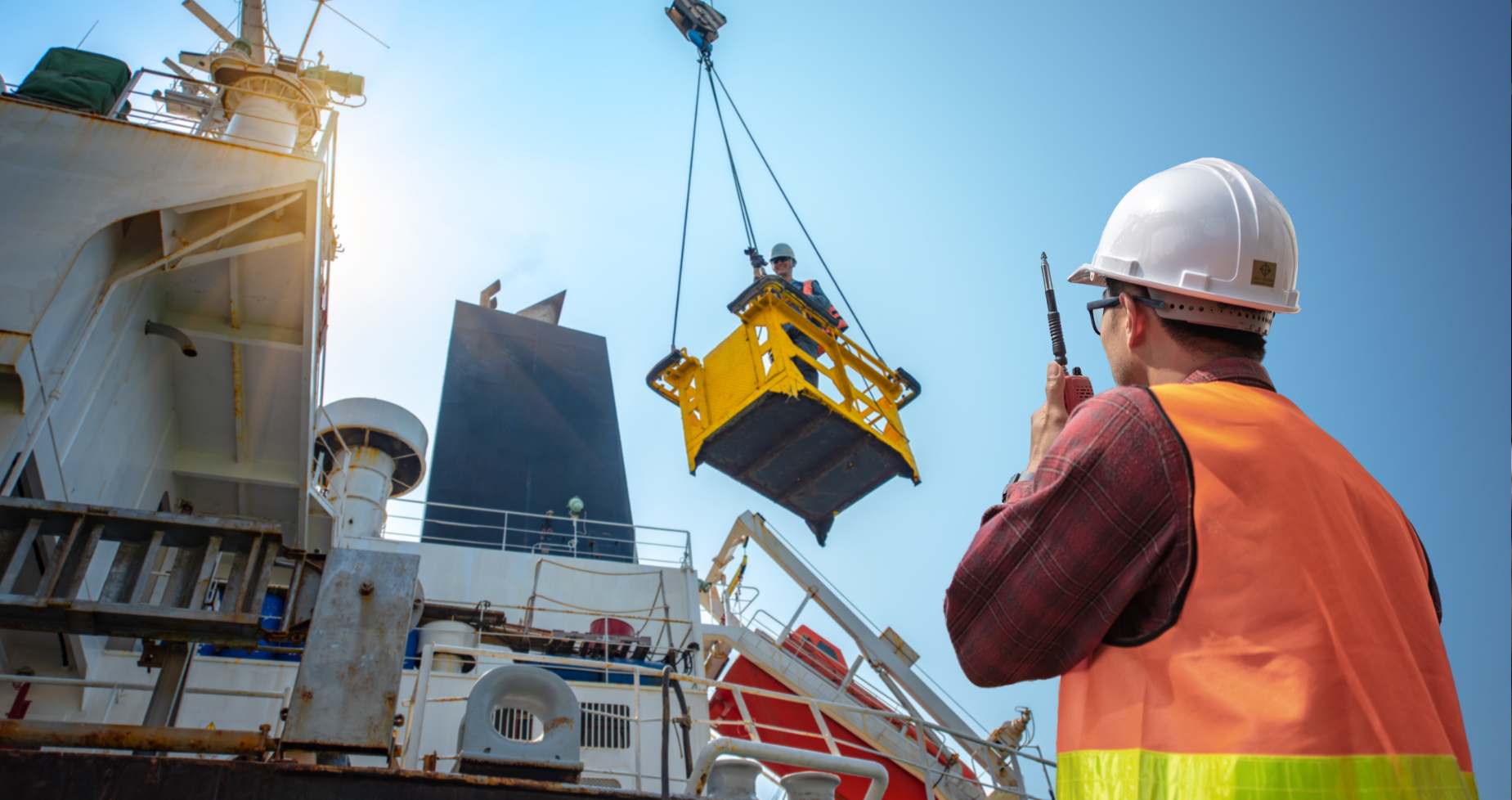
Bright-colored with reflective strips—essential in places with low visibility or moving vehicles.
When to use:
- On construction sites near roads
- At ports, airports, or large warehouses
- During night shifts or foggy conditions
- Safety helmets:
Protect the head from falling objects or accidental bumps.
When to use:
- On construction sites
- In factories with cranes or moving equipment
- Anywhere tools or materials might fall
- Safety goggles:
Protect the eyes from dust, sparks, chemicals, or small flying objects.
When to use:
- While welding or cutting metal
- In laboratories
- When handling chemicals or sharp tools
- Protective gloves: Different types for different risks:
- Rubber gloves for chemical
- Leather gloves for tough jobs
- Heat- or cold-resistant gloves
When to use:
Any task that involves handling sharp tools, hazardous materials, or extreme temperatures
- Safety shoes:
Reinforced toes and slip- or chemical-resistant soles.
When to use:
- In construction sites or workshops
- When dealing with spillable liquids or slippery floors
- In warehouses or heavy lifting zones
Each piece of this gear is a direct response to a specific danger. Choosing the right one at the right time can be the difference between simply doing your job—and getting home safe at the end of the day.
___________
International and Local Standards to Check:
Like OSHA or ISO standards:
Global standards such as OSHA (Occupational Safety and Health Administration – USA) and ISO (International Organization for Standardization) set clear guidelines for protective clothing. For example:
- OSHA focuses on making sure the clothing protects against specific risks, whether chemical, thermal, or mechanical.
- ISO 13688 outlines general requirements like tear resistance, ventilation, and durability.
Why checking compliance matters:
It’s essential that the clothing comes with certificates proving it meets safety and technical specs. These might include:
- The CE mark (used in Europe)
- Durability tests based on the type of industrial activity
- Tags or documents showing the material and protection level
Practical tip:
Always ask for a quality certificate or spec sheet when buying protective wear especially if it’s going to be used in a high-risk environment.
___________
Comfort, Durability, and Practical Design
Comfort:
The clothing should allow easy movement, especially for tasks that involve bending or lifting so look for breathable fabrics or ventilation openings that help the body stay cool.
Durability:
Usually made from tough materials like reinforced cotton or polyester blended with resistant fibers.
Should be able to handle tearing, abrasion, and moisture.
Practical Design:
- Multiple pockets and tool-holding spots
- Strong buttons or zippers that don’t break with daily use
- Easy to put on and take off, especially in emergencies
Try the gear yourself, or ask for a sample especially if your team works in harsh conditions.
___________
Cost vs. Value
Buying cheap can be risky:
Low-cost clothing is often low-quality. It may rip easily or fail to protect when needed most. That can lead to more costs later, through accidents or frequent replacements.
Why it’s smart to invest in quality:
High-quality gear = better protection + longer life.
That means lower total cost over time.
___________
In conclusion…
What really makes the difference between a safe workplace and a dangerous one is smart choices…
Choosing the right protective gear isn’t a luxury—it’s a statement of respect for life, and a real investment in the safety of everyone, from entry-level workers to site managers.
At MAGUS, we don’t just offer products, we bring our expertise to companies that want the best for their teams.
We understand that real protection starts with trust.
We’re proud to be a Saudi brand with global standards, and proud to support organizations that aim to build safer, more humane workplaces.
Choose wisely. Count on our expertise. Let safety start here.
MAGUS – Your safety partner.
There are no comments