
Why Eye and Face Protection is Crucial in Hazardous Environments
Why is Eye and Face Protection Essential in Hazardous Work Environments?
Imagine working in a place filled with loud noises, heavy machinery, flying sparks, or sharp-smelling chemicals. You’re focused on your task when suddenly, a tiny object strikes your eye—just one moment, and everything can change.
The eye is not just a delicate organ; it’s our window to the world. And the face is our body’s first line of defense. That’s why protecting the eyes and face isn’t a luxury or a formality—it’s a vital necessity in any high-risk work environment.
In this article, we’ll explore in depth why eye and face protection matters, the different types available, and how to use them effectively.
___________________________________
What Makes the Eyes and Face Vulnerable?
In hazardous workplaces, the eyes and face are always on the front line. The main threats include:
- Flying Solid Particles – Metal fragments, wood shavings, broken glass, or drilling debris can fly through the air fast enough to cause direct injury to the eye.
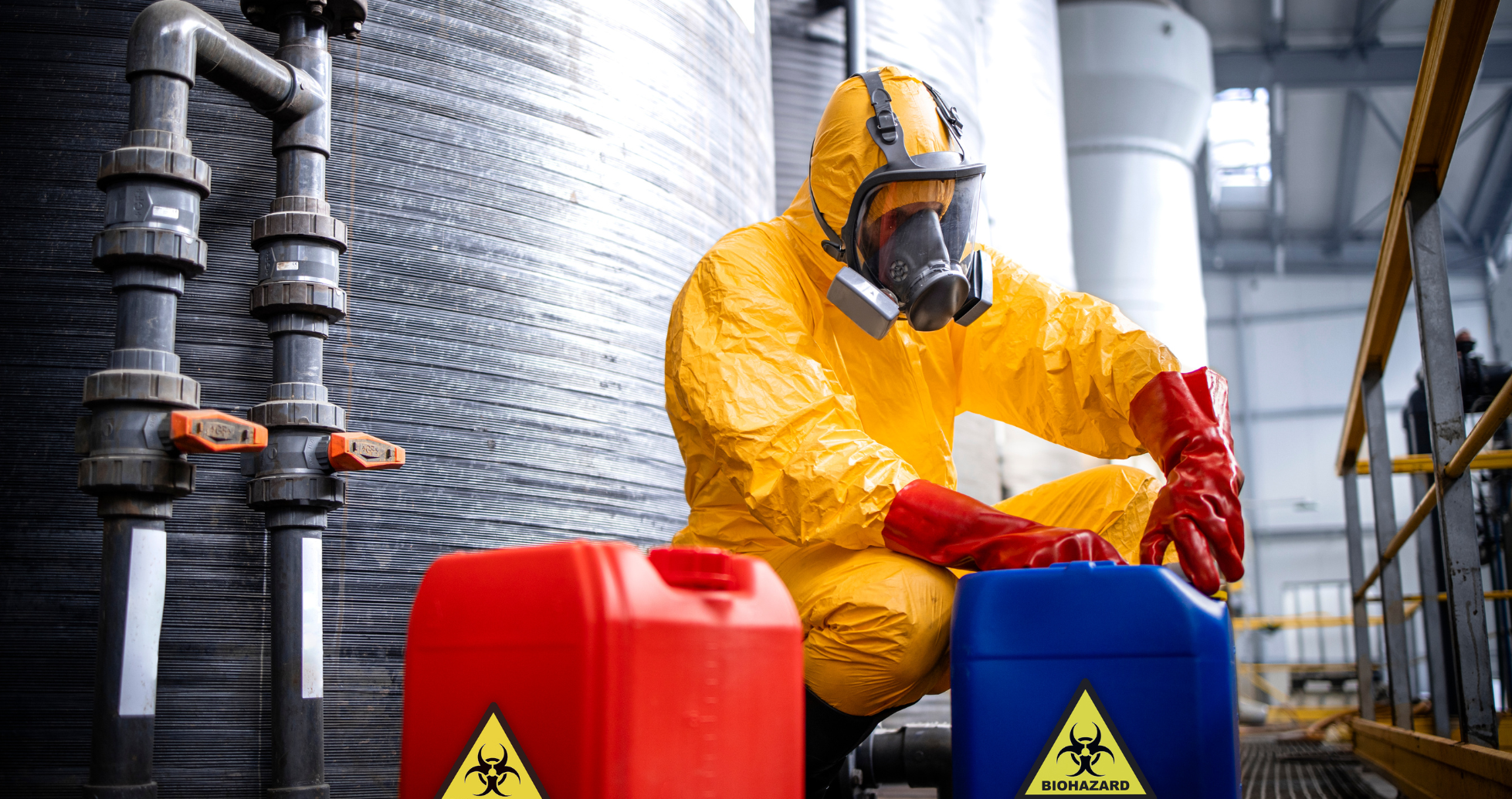
- Chemical Substances – A single drop of an acidic or alkaline substance can cause burns or permanent corneal damage, or even lead to vision loss.
- Sparks and Heat – Workers in welding or metal casting are exposed to sparks and direct heat. Eye and facial injuries can occur even without direct contact due to radiant heat.
- Harmful Radiation – Invisible but dangerous ultraviolet (UV) or infrared (IR) rays from welding or laser use can cause long-term damage.
- Toxic Vapors and Liquids – In laboratories or chemical plants, harmful vapors can affect the eyes without direct contact, especially in poorly ventilated areas.
___________________________________
What Are the Types of Eye and Face Protection?
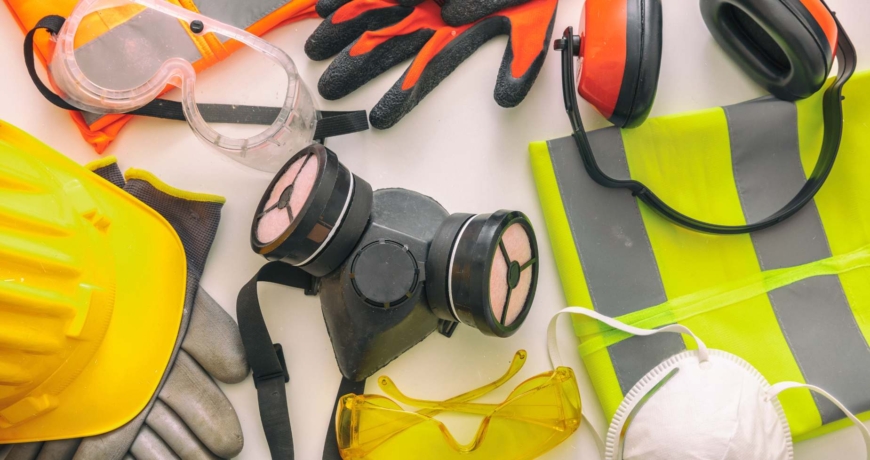
Protective equipment varies based on the type of risk. One solution does not fit all situations. Common types include:
- Safety Glasses
Similar to regular eyewear but resistant to breakage and impact. They protect the eyes from the front and sides.
Suitable for cutting, carpentry, and mechanical maintenance. - Goggles
Seal tightly around the eyes to block out dust, vapors, or liquids.
Essential in labs and factories handling hazardous chemicals. - Face Shields
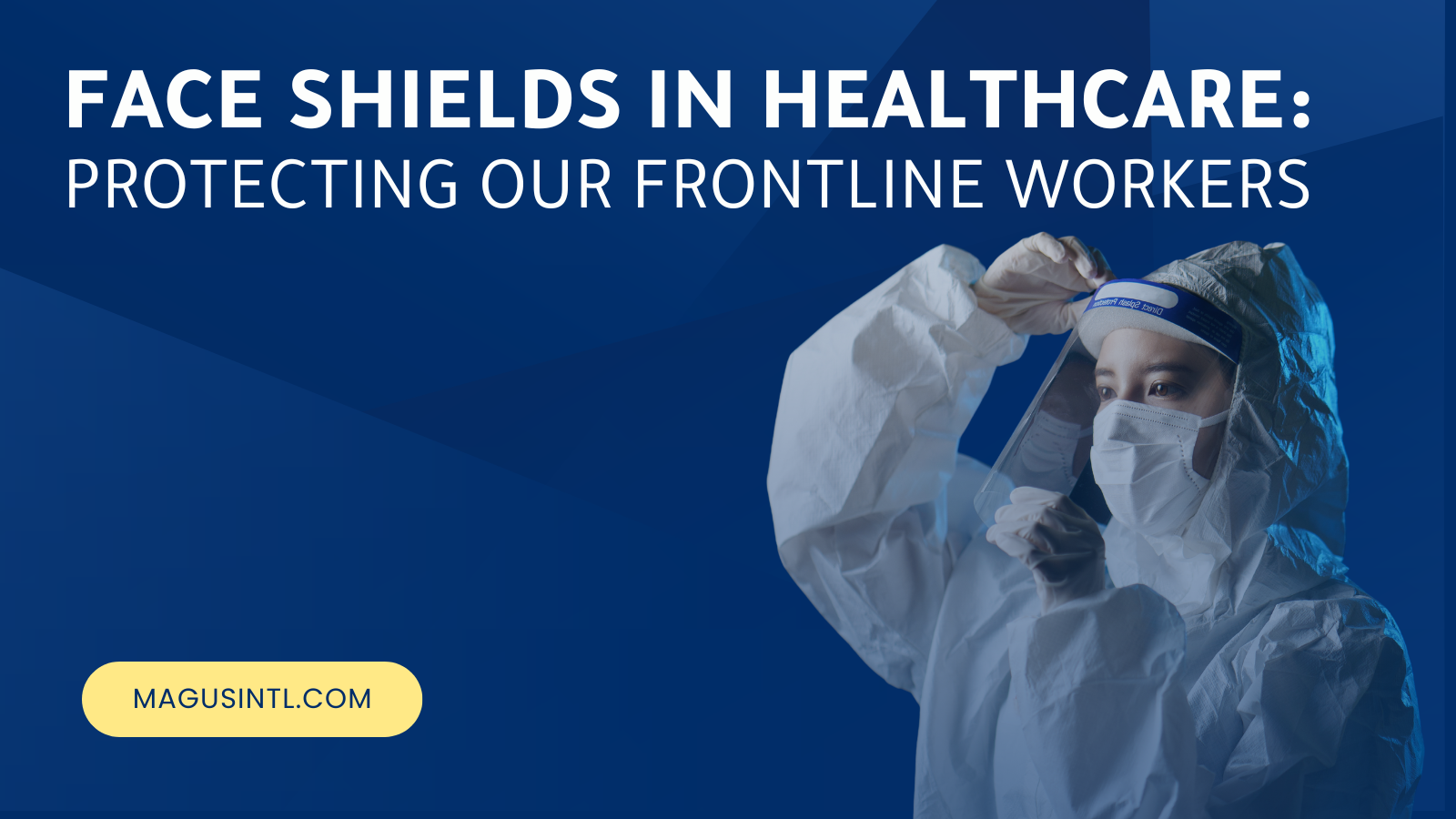
Cover the entire face from forehead to chin, protecting against sparks, hot liquids, or flying particles.
Typically used in addition to safety glasses, not as a replacement. - Welding Helmets
Equipped with dark lenses designed to absorb harmful radiation.
Crucial for shielding the eyes and face from welding sparks and intense light. - Laser/UV Protection Glasses
Designed for work involving lasers or UV radiation.
The specific type depends on the kind of radiation present in the work environment.
__________________________________________
How to Choose the Right Protective Gear?
Not all protective equipment suits every scenario. When choosing the right one, consider:
- Type of hazard: solid – liquid – radiation – heat – pressure
- Level of exposure: frequent – continuous – brief
- Comfort: so workers are more likely to wear it consistently
- Compliance: Make sure it meets certifications like ANSI, ISO, or CE
___________________________
Is Wearing the Gear Enough?
You might think that simply putting on protective gear is enough to stay safe—but the reality is very different.
Protection is only effective when the equipment is used correctly. For example, if safety glasses aren’t secured tightly, they won’t provide the required protection and may allow particles or vapors to reach the eyes.
If the equipment is scratched or dirty, it can obstruct vision and increase the risk of accidents instead of preventing them.
That’s why it’s essential to inspect protective gear regularly, clean it carefully, and make sure it’s in good condition before every use.
Proper training is also critical. A worker who understands how to use protective gear and how to respond in emergencies is far more capable of protecting themselves—and others around them.
_____________________________
Why Do Some Workers Avoid Wearing Protection?
Despite clear and present risks in many workplaces, a lot of workers still choose not to wear personal protective equipment. Some set it aside like it’s an added burden.
Some feel that safety glasses or face shields restrict their movement or cause discomfort, especially in hot environments or when performing physically demanding tasks.
Others find the gear distracting or believe it slows them down, so they prefer to work quickly without it—unaware that just one second of carelessness can lead to irreversible injury.
Often, it’s simply a matter of habit. A worker who’s spent years on the job without an accident might become overconfident and downplay the importance of protection, as if safety is a distant possibility rather than an everyday concern.
And sometimes, the issue is a lack of awareness. A worker may not fully understand the risks—either due to inadequate training or a workplace culture that doesn’t prioritize safety.
Ultimately, the most dangerous mindset is, “It won’t happen to me,” because real danger never gives advance warning.
________________________________
What Is the Role of Management?
Safety isn’t just the worker’s responsibility—it’s a system that starts with management and includes everyone on site.
A responsible management team knows that providing a safe environment is a long-term investment, not an extra cost.
First, they must ensure that the right protective equipment is available for each task and each worker, without delay or shortage. It’s unreasonable to expect compliance if workers don’t have access to the proper tools.
But equipment alone isn’t enough. Regular training sessions should be held to raise awareness about potential hazards, demonstrate how to use each piece of gear correctly, and simulate emergency responses.
Management should also monitor how well workers follow safety protocols—not through strict oversight, but by fostering a culture where safety is second nature.
Most importantly, management must show that worker safety truly matters. When employees feel that their well-being is valued and that they’re not just tools for production, they’re more likely to take safety seriously and protect themselves and their peers.
Creating a workplace that values people and puts safety before profit—that’s what truly makes a difference.
________________________________
In Conclusion…
Eyes can’t be replaced, and the face is often the first thing exposed to danger. In hazardous environments, protecting yourself is everyone’s responsibility.
Personal protective equipment is not a burden—it’s a real investment in your health and safety.
Make protecting your eyes and face part of your daily routine, just like putting on your work uniform.
It’s not just about following the rules—it’s about your life and the loved ones waiting for you to come home safe every day.
Choose to see life clearly. Protect yourself. Your safety is priceless.
__________________________________
At MAGUS, we provide a wide range of eye and face protection tools that meet the highest international standards—to keep you and your team safe.
____________________________________

There are no comments